
NEWYou can now listen to Fox News articles!
More than three million people travel to undergo cosmetic surgery each year, statistics show – but the potential savings come at a cost.
Most people opting to pursue this so-called “medical tourism” are chasing budget-friendly price tags.
International surgeries, such as hair transplants in Turkey, can cost as little as $4,000–$5,000 compared to $20,000–$30,000 in the U.S., but often come with extreme risks, according to board-certified plastic surgeon Dr. Sheila Nazarian.
DOCTORS WARN OF ‘LOOKSMAXXING’ DANGERS AFTER INFLUENCER’S LIVESTREAM EMERGENCY
The doctor recently joined Lisa Brady on the “The FOX News Rundown” podcast to discuss the rising trend of medical tourism. One of the biggest risks, she said, is the lack of safety regulations in popular destinations like Mexico and Turkey.
As demand spikes in these medical tourism “mills,” there have been reports of non-medically trained staff performing procedures like hair transplants.
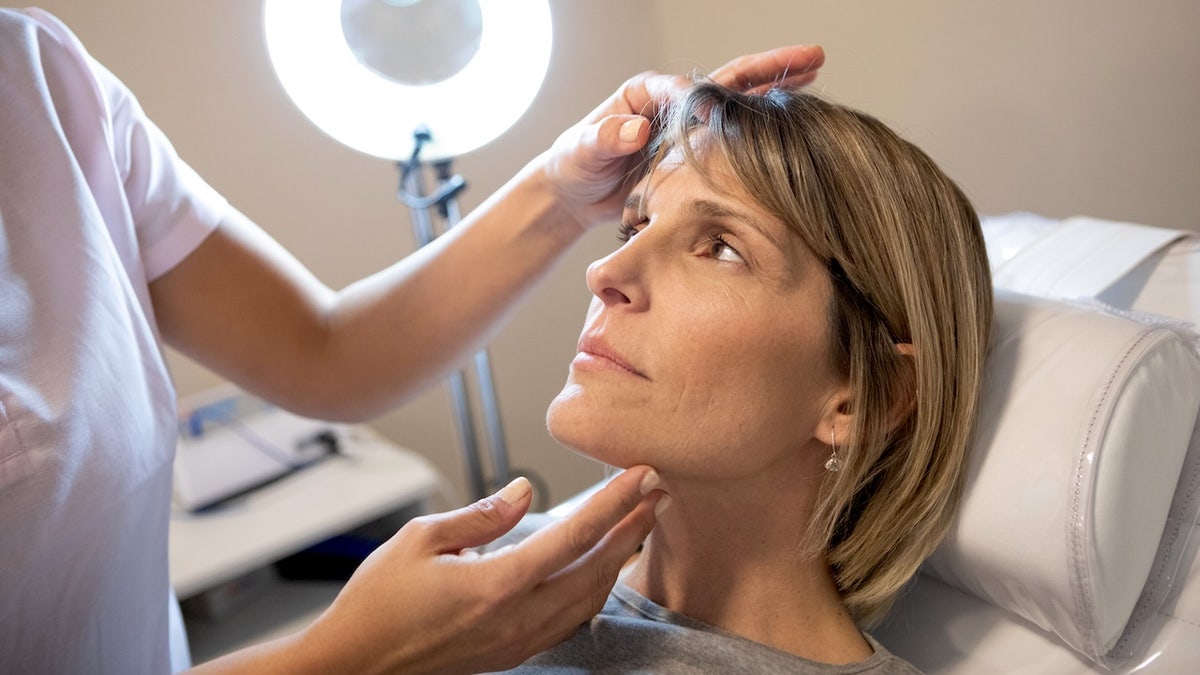
Most people opting to pursue “medical tourism” are chasing budget-friendly price tags. (iStock)
“I’ve heard that they [international clinics] are even recruiting people who maybe were taxi drivers and then putting them through their own training program … to become hair transplant technicians,” Nazarian shared. “That’s how high the demand has become.”
In the U.S., medical school graduates are granted a “physician and surgeon” license, which means doctors — including pediatricians or OB-GYNs — can legally perform cosmetic surgeries, even if they didn’t receive specialized training for those procedures during residency, Nazarian noted.
WHAT IS BUTT MICRONEEDLING? BEHIND THE ‘DESPERATE’ PROCEDURE KELLY RIPA TRIED
Instead of pinching pennies, the doctor recommends paying whatever amount is necessary to ensure quality treatment.
“People think of it as, you know, going to the mall … it’s surgery, and surgery has risks,” she said. “You need to be with someone who not only can perform a beautiful surgery, but who can handle possible complications well.”
“You need to ask them: ‘What was your residency training in? And if you wanted to, would you be allowed to do this procedure in a hospital?’”
Aftercare is another critical factor in the success and safety of a cosmetic procedure, as the doctor emphasized that 20% of a surgical result depends on post-operative care.
CLICK HERE TO SIGN UP FOR OUR HEALTH NEWSLETTER
This can be difficult or even impossible to manage when a doctor is in a different time zone, she cautioned, or if the clinic disappears shortly after the procedure.
Nazarian also discussed the importance of addressing the psychological component of plastic surgery, noting that no procedure will fix underlying unhappiness. The doctor said she uses screening questionnaires to ensure that patients are truly seeking self-improvement rather than a “cure” for deeper issues.
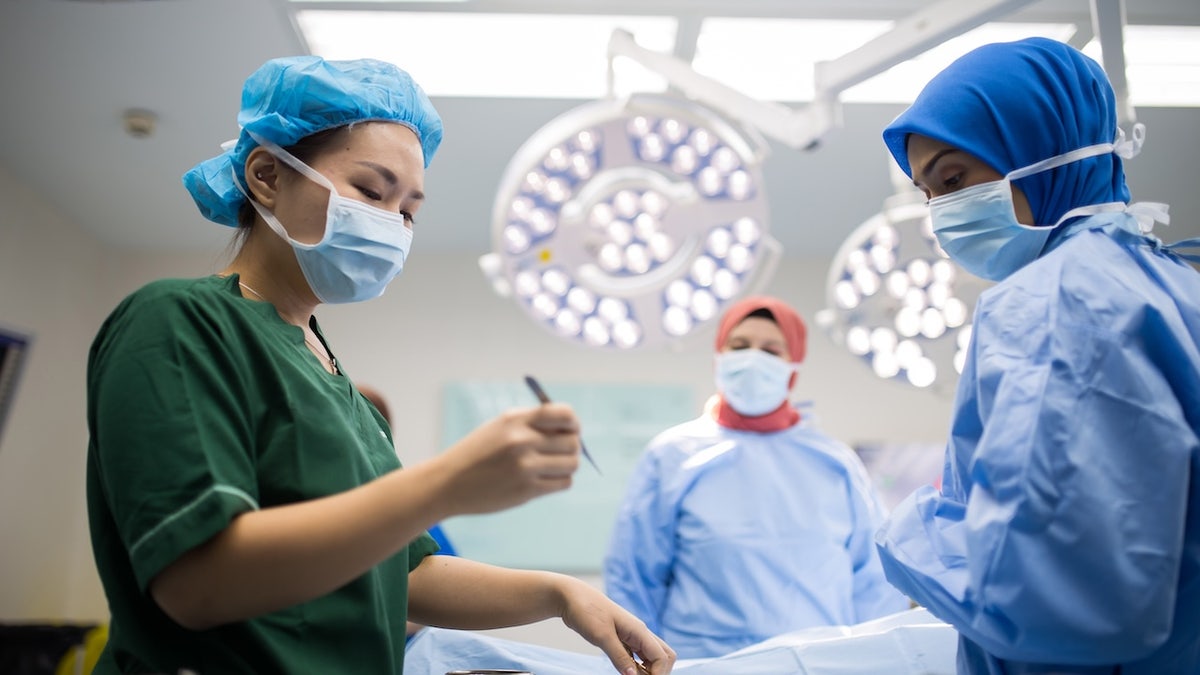
International surgeries, such as hair transplants in Turkey, can cost as little as $4,000–$5,000 compared to $20,000–$30,000 in the U.S., but often come with extreme risks. (iStock)
“If you’re not already generally very content with your life, a knife in my hand is not going to bring you there,” Nazarian said.
“The analogy I always give is you don’t want a paisley couch – you want a neutral couch and you can put paisley pillows on it,” she said, noting that a procedure should “make you look normal, God-given, athletic. And then you can change your clothes when the trends come and go.”
TEST YOURSELF WITH OUR LATEST LIFESTYLE QUIZ
Dr. Samuel Golpanian, MD, a double board-certified plastic surgeon in Beverly Hills, said he has also seen an increasing number of patients undergoing cosmetic procedures abroad, sometimes with “devastating consequences.”
“The key is being extremely careful before embarking on this journey.”
“I’ve seen a wide range of complications, including infections, poor wound healing, significant scarring and tissue necrosis (skin death),” he told Fox News Digital. “These complications often lead to prolonged pain, ongoing medical problems, and significant additional costs to repair the damage.”
CLICK HERE FOR MORE HEALTH STORIES
Golpanian said he’s treated patients who received unsafe or non-medical-grade injectable materials, which can lead to serious long-term health issues.
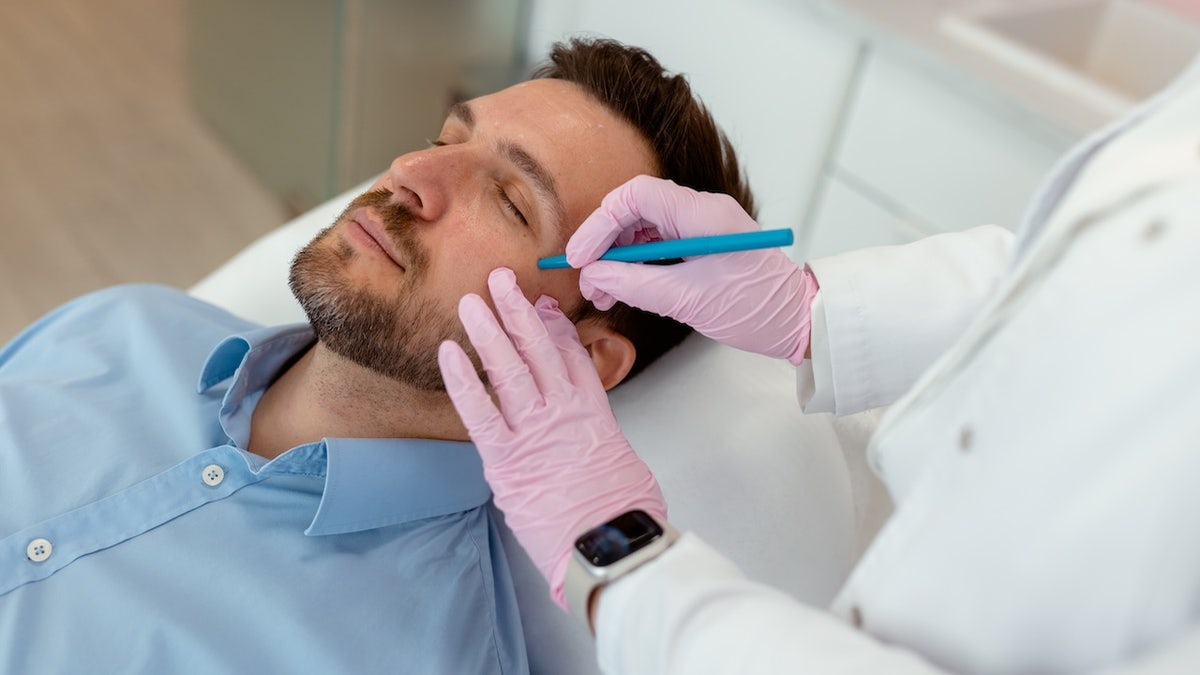
One surgeon said he’s treated patients who received unsafe or non-medical-grade injectable materials, which can lead to serious long-term health issues. (iStock)
“I’ve also seen damage to underlying structures, asymmetry and results that are extremely difficult — sometimes impossible — to correct.”
“That said, I’ve also seen some good outcomes, so it’s not all bad,” he noted. “The key is being extremely careful before embarking on this journey.”
Quick tips for safe ‘medical tourism’
CLICK HERE TO DOWNLOAD THE FOX NEWS APP
- Fully vet the surgeon. “Most surgeons will provide information about their education and training, but it’s important not to accept these claims at face value,” Golpanian said. “Verify them directly by contacting the institutions where they trained.”
- Ask for references from prior patients. Ideally, it’s best to get references from U.S.-based patients who can speak candidly about both their experience and their results, the surgeonsaid.
- Don’t focus only on cost. Golpanian emphasized the adage “you get what you pay for.” “Cost should take a back seat to experience, training, judgment and proven results,” he advised.
- Be cautious about relying on before-and-after photos. These can be selective or even enhanced, Golpanian warned.
- Keep aftercare in focus. “Make sure the practice emphasizes comprehensive follow-up care and has a clear, realistic post-operative plan in place.”
Melissa Rudy is senior health editor and a member of the lifestyle team at Fox News Digital. Story tips can be sent to melissa.rudy@fox.com.