
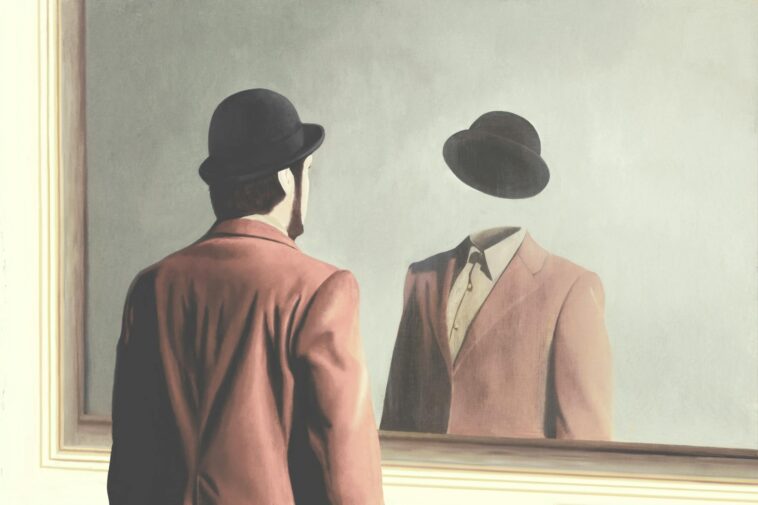
Google wants everyone to have a reality show, and this one comes without the reality.
The search giant has pitched federal patent officials a concept called “My Channel.” It’s an AI-run TV network built around one person: you. Not your family, not a great story, not some talented actor.
Just you, forever.
The application, titled “Creating a Channel of Video Experiences Tailored to a User,” was filed in May 2025 and made public on Nov. 19.
The pitch is a mirror on the wall. Flip on your set and you’ll find a channel with your name on it (“John’s Channel” in Google’s own drawings). It’s stocked with AI-made crime capers, rom-coms, sci-fi epics and action thrillers, and every one stars a digital copy of you, built from your photos and speaking in a cloned version of your voice.
Hollywood spent a century selling us stories about other people, and the whole point was to step outside our own heads. Google’s answer is to cut out the middleman and point the camera straight back at the couch.
To write your personal fan fiction, the system would comb through what it knows about you:
- Your binge history and favorite genres
- Your location, from your device’s IP address or GPS
- Your language settings
- Your age bracket and other demographic details
An AI would turn all of that into scripts, even copying the pacing and style of the shows you already like. So you wouldn’t just be the star. You’d be watching a remix of your own taste, starring yourself, made from your own data. It’s an echo chamber with a laugh track.
You wouldn’t even have to ask for more. The filing says the channel could churn out new episodes on a schedule with no input from the viewer. Bottomless self-regard on autopilot.
There’s the cricket fan in Google’s example, who’d get a made-up World Cup story with himself in the middle of the action. Why cheer for real athletes when you can watch yourself upstage them?
And the star of every show still has to pay the bills. An “advertising stitcher” would weave commercials right into your story. You’re the hero, the audience and the product being sold, all at once.
Critics flag serious problems with consent and identity, and reviewers found nothing in the filing that would clearly tell viewers the content is fake. The filing even admits that people who won’t hand over their data get worse, more generic shows. In other words, your vanity is rewarded only if you give up your privacy.
The good news is that the patent examiner has issued a final rejection. Google can still rework the claims or appeal, and it has announced no product. Google didn’t immediately respond to Gizmodo’s request for comment.
Still, the direction is hard to miss. Meta’s Mark Zuckerberg has talked up AI that will “generate great personalized content for you,” and YouTube is already rolling out AI-tailored feeds.
Television used to bring families together around one screen. Big Tech’s next big idea is a world where everyone watches alone, and only themselves.
Coming soon to a screen near you: you.