The Labor Shortage Feast and Thanksgiving
Thanksgiving is a descendant of medieval harvest feasts that were rooted in tight labor markets.
In medieval England, landowners sponsored harvest feasts for their workers. Tables were filled with meat and cups with ale for the laborers to enjoy after the last of the crops were brought in. It was a kind of harvest bonus, and there was a practical reason to pay it in food and drink: the harvest bills could come due before the money from selling the crop came in.
Some of the best records we have of this come from the late thirteenth century. An English manor called Morden marked the end of the harvest with a supper known as the “harvest goose.” The estate provided two geese from its own flock. The household servants came, along with the men who supervised the reaping and stacking. The smith and two millers sometimes joined them. The manor’s accounts record what was spent on meat and ale, down to the halfpenny. A little more than half went to ale, which shows you where people’s priorities stood at the time.
The timing problem shows up in the records at Morden. In September 1352, the rectory sold two quarters of wheat for 17 shillings specifically to cover harvest expenses. The wheat had not yet been brought to market, so cash was short. The geese were already there.
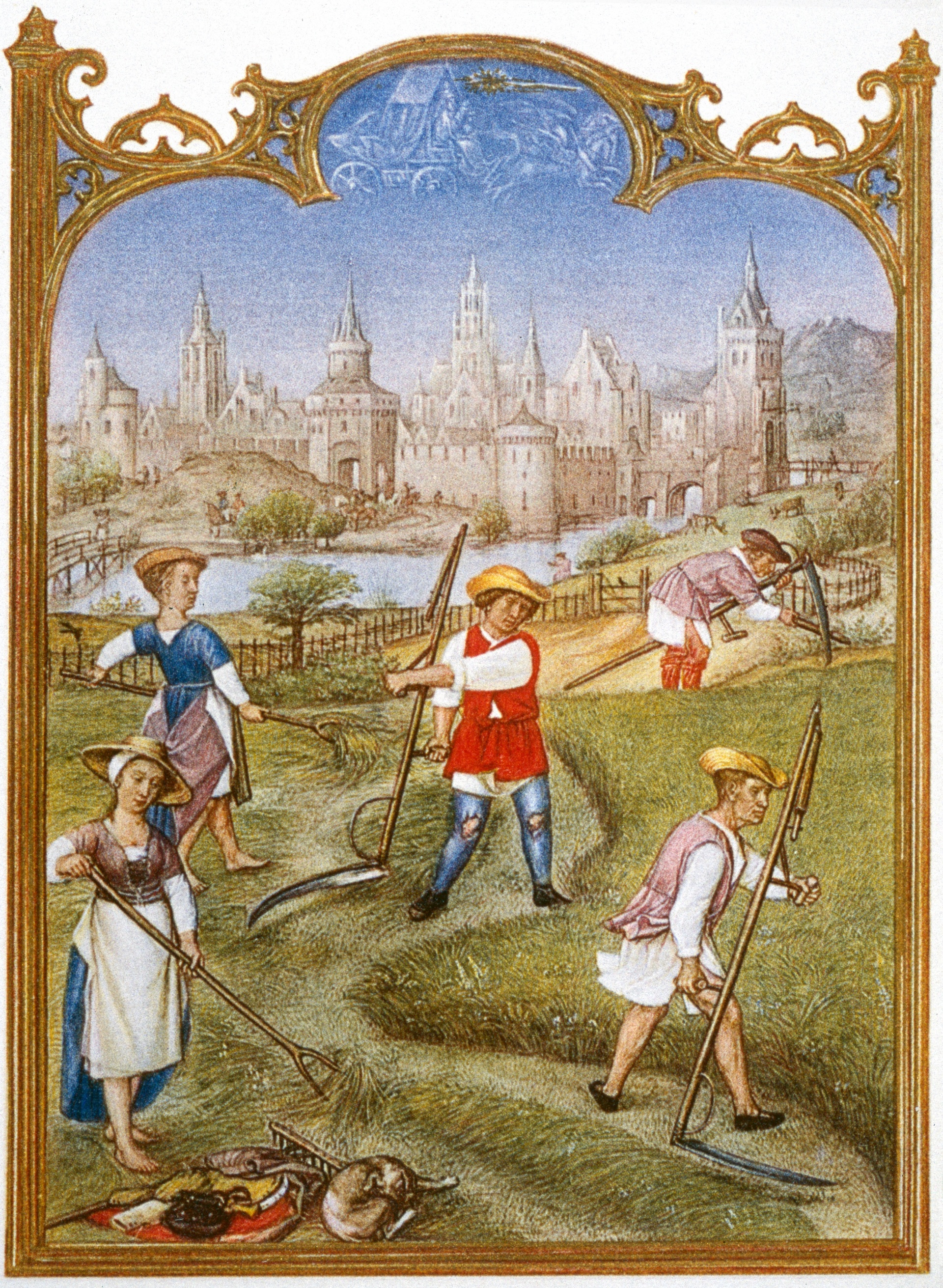
Facsimile heliotype from an illumination in the Grimani Breviary, circa 1515 – 1520, depicting a farming scene. (Photo by Fototeca Gilardi/Getty Images)
Three and a half centuries after those first Morden suppers, a Yorkshire farmer with the awesome name of Henry Best described what went on the table once the last grain was cut or the last peas were pulled. The workers came to supper, along with the wives who had helped with the harvest. The feast consisted of bacon or boiled beef, meat or apple pies, and cream served in platters. Everyone got a spoon, which was apparently a big deal. Then came hot cakes. And, of course, ale.
How the Tight Labor Market Created the Harvest Feast
Why were these employers feeding people so well? The landlords were giving thanks. But it wasn’t pure gratitude. It was the price of labor.
In his 1988 paper “Changes in Diet in the Late Middle Ages: The Case of Harvest Workers,” historian Christopher Dyer, now an emeritus professor at the University of Leicester, found that competition for harvest workers grew fiercer after the Black Death. In court cases Dyer examined, daily wages could double at harvest, and employers offered lump sums to get workers to stay for the season. At Thurlby in Lincolnshire, meat went from eight percent of the budget for feeding workers during the harvest in 1341 to 26 percent in 1362. If you wanted the same crew back next year, it helped if they remembered eating well.
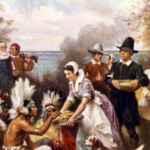
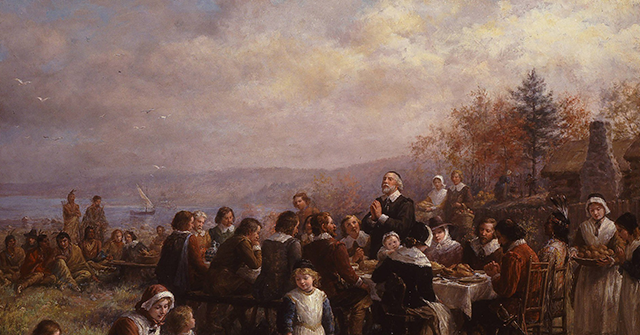
That was the harvest custom the English brought to Plymouth. “Our harvest being gotten in,” Edward Winslow wrote of the 1621 gathering, the governor sent four men out fowling so they could rejoice together after gathering the fruits of their labor. Massasoit and some 90 Wampanoag men joined the celebration, which lasted three days, and contributed five deer. The English knew the custom as Harvest Home. We remember the Plymouth celebration as the first Thanksgiving.
A Return to the Pro-American Policy of Tight Labor
For years, America had a sometimes half-articulated policy of depressing wages by artificially creating an excess supply of labor through our immigration policy. Even if it meant ignoring our actual laws or granting amnesty to those who broke them, our de facto policy was to make sure that the kinds of shortages that led to the harvest feast would not occur in the United States.
Fortunately, that has changed. As Vice President JD Vance has frequently explained, the Trump administration is restricting immigration to give American workers more bargaining power. In October, Vance described the administration’s crackdown on employment-based visa abuse as a way to make it harder for companies to undercut wages.
Critics scream and pout that this is nativism—perhaps because that’s easier than trying to argue for lowering the wages of workers. But, of course, it isn’t just natives—or even especially natives—who benefit from tight labor markets. These matter especially to immigrants already working here. In one widely cited study, Gianmarco Ottaviano and Giovanni Peri estimated that immigration from 1990 to 2006 lowered the long-run wages of earlier immigrants by about six percent. When employers can hire new arrivals at lower wages, the people most directly affected may be immigrants already doing the same work.
Thanksgiving has always been about more than just giving thanks for the harvest. This year, we can remember that the old harvest supper gave the people who brought it in a place at the table. They had earned it in the most literal sense. Their employers needed them badly enough to pay more, feed them well, and hope they’d come back next year.
And we can give thanks that our policies are once again making American labor something employers need to show gratitude for.