NEWYou can now listen to Fox News articles!
French authorities announced a chilling discovery: They found a 16th-century gallows where condemned prisoners were put on display as a warning to others.
The discovery, which was made in 2024 but not announced until December, was carried out by Inrap, France’s national institution for preventive archaeology.
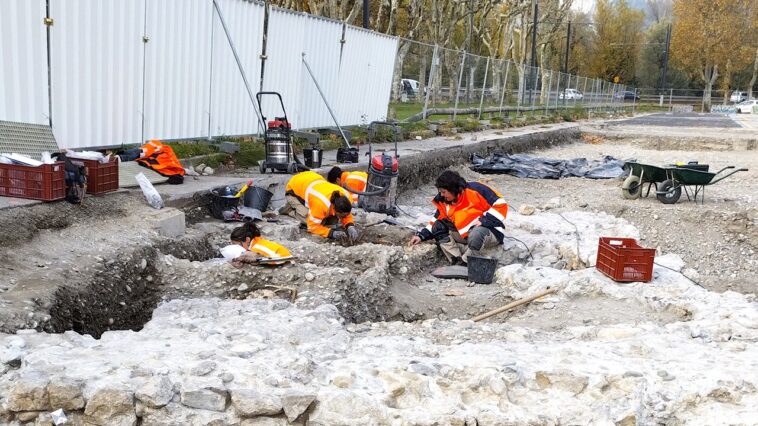
The team focused on an archaeological site in Grenoble in the Auvergne-Rhône-Alpes region of southeastern France, ahead of redevelopment work on the city’s Esplanade.
LONG-LOST ANCIENT VILLAGE WITH MYSTERIOUS PAST UNEARTHED AMID WIND FARM DIG: ‘EXCITING DISCOVERY’
In a press release sent out last month, archaeologists said they were surprised by the gallows, which were built during the Protestant Reformation and targeted “rebels against royal authority, including Protestant opponents of the crown.”
“Among them were Benoît Croyet, accused in 1573 of participating in an attack on Grenoble, and Charles du Puy Montbrun, a Huguenot leader who was beheaded and displayed at the site in 1575,” the release said.
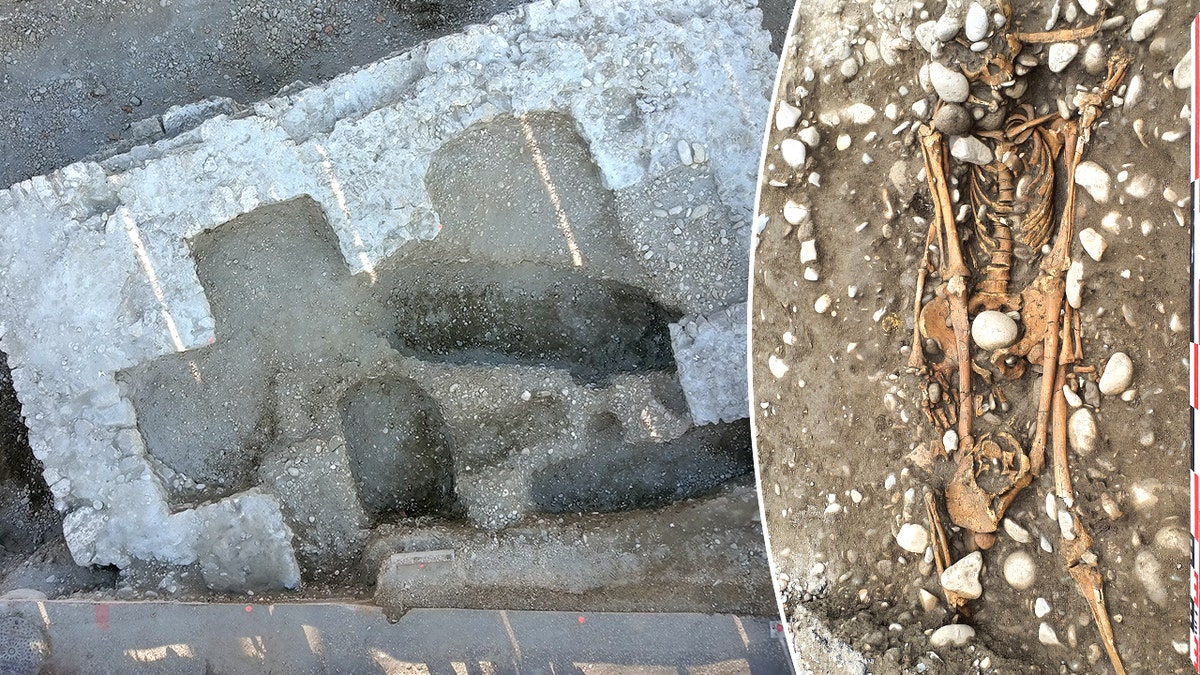
French archaeologists uncovered a rare 16th-century gallows site in Grenoble, shedding light on royal justice during the Protestant Reformation. (Nordine Saadi, Inrap; Anne-Gaëlle Corbara, Inrap)
Archaeologists originally thought the structure was a religious building — until they discovered it was a site “used to display the bodies of executed prisoners,” Inrap said.
“Archaeologists uncovered a square masonry structure along with ten burial pits dating to the 16th century,” the organization’s translated statement read.
LANDMARK COIN TIED TO LEGENDARY RULER PRESERVED FOR NATION AFTER DETECTORIST’S LUCKY DISCOVERY
“The graves contained at least 32 individuals, mostly men with a few women, often buried together in groups of two to eight.”
The gallows date back as early as 1544 and featured eight stone pillars — a sign that it was royally controlled instead of seigneurially, or feudally.
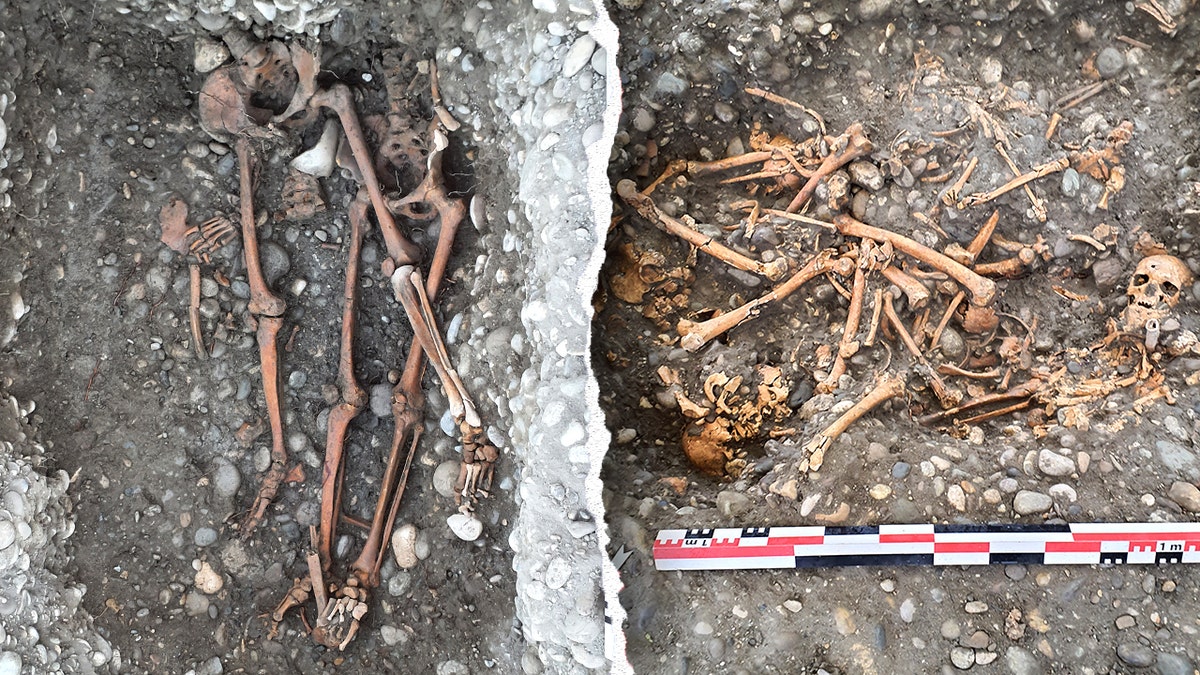
The gallows site dates back as early as 1544. It was linked to punishment of rebels against the French crown. (Anne-Gaëlle Corbara, Inrap)
Nicolas Minvielle-Larousse, a researcher with Inrap, told Fox News Digital that excavated examples of medieval gallows “remain rare” in France.
CLICK HERE FOR MORE LIFESTYLE STORIES
“Compared with the few known cases, the Grenoble gallows stands out for its square plan with eight pillars, which reflects its high status within the hierarchy of criminal justice in the kingdom,” said Minvielle-Larousse.
“It was under royal jurisdiction, administered by the Parliament of the Dauphiné.”
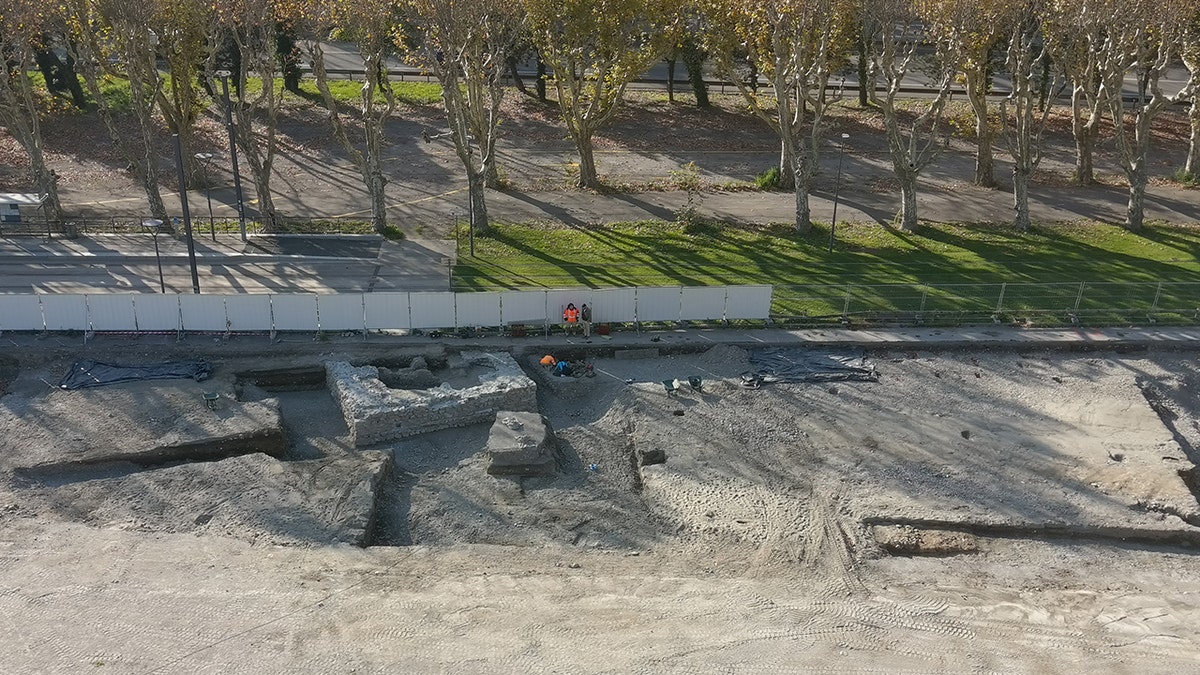
The discovery was made in 2024 but not publicly announced until December, according to French officials. (Nordine Saadi, Inrap)
That said, the historian noted that gallows were “very common” in Europe into the early modern era.
TEST YOURSELF WITH OUR LATEST LIFESTYLE QUIZ
“Each criminal court could therefore have its own gallows, whether it belonged to royal jurisdictions — Grenoble being one example — or more broadly to seigneurial courts,” he said.
Minvielle-Larousse added that many burials at the site were “carried out without any care,” which presents more questions for researchers to solve.
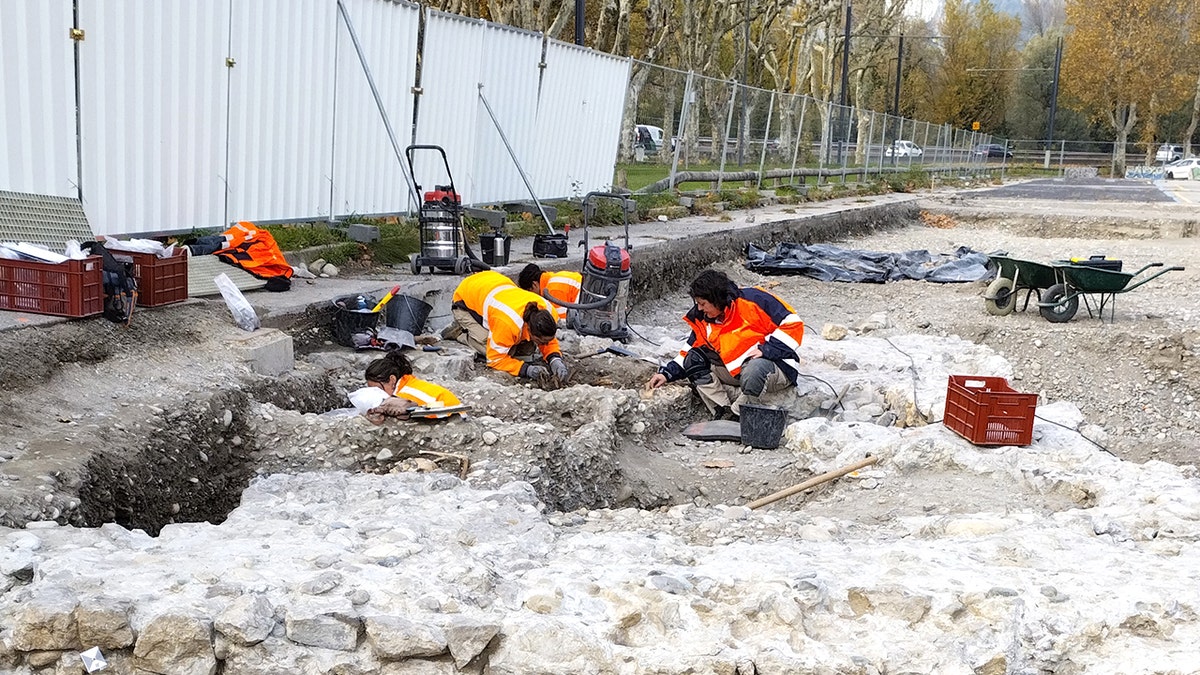
“Compared with the few known cases, the Grenoble gallows stands out for its square plan with eight pillars,” a researcher said. (Nordine Saadi, Inrap)
“Post-excavation studies then provided decisive evidence for the identification: the organization of the burials, traces of violence observed on some individuals, and construction accounts referring to the gallows.”
CLICK HERE TO SIGN UP FOR OUR LIFESTYLE NEWSLETTER
Minvielle-Larousse said he hopes the excavation will help add to the developing field of research — saying it also sheds light on “anthropological reflections on mortuary practices in past and even present-day societies.”
CLICK HERE TO GET THE FOX NEWS APP
“What constitutes a ‘good’ or ‘bad’ death? What material markers are left to make a bad death visible? And how did earthly condemnation relate to beliefs about the afterlife?” he mused.