
This article is part of Upstream, The Daily Wire’s new home for culture and lifestyle. Real human insight and human stories — from our featured writers to you.
***
The European empire of luxury fashion appears to be waning. French conglomerate LVMH, which houses Louis Vuitton, Christian Dior, Fendi, and other giants, has reported seven consecutive quarters of declining sales. Yet some American players, seemingly the underdogs of luxury, are bucking the trend.
Labels such as The Row, Coach, and Ralph Lauren have thrived against this backdrop because they have ditched logomania and blatant displays of wealth for craftsmanship, subtlety, and nostalgia. They have recognized that the most coveted styles today are not necessarily the priciest but those that whisper wealth with impeccable tailoring, quality fabrics, and compelling storytelling.
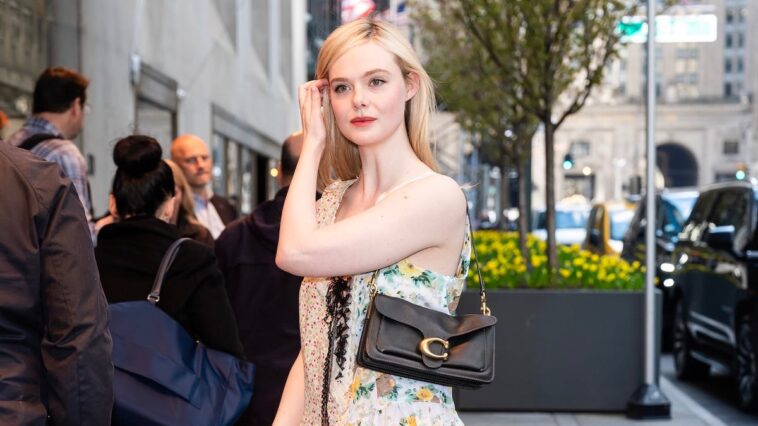
Coach was founded in Manhattan in the early 1940s, when horses and buggies still traversed the city, hence the brand’s emblem. Taking on a classic American ethos, Coach became known for both function and elegance, with supple leather and durable hardware. Coach later became a leader in “affordable luxury” during the 1990s, striving to be accessible but well-made, a truer status symbol. Unlike its European counterparts, Coach isn’t trying to be an unattainable luxury. Its price point conveys some value, with the bag’s build and story doing the rest of the work, defining effortless American style.
A great feature of American commercial culture is adaptation, which our capitalist system luckily encourages. If at first you don’t succeed, try again. If you fumble the bag, just stop dumping them in outlet malls. In the 2000s, Coach developed a reputation for over-saturating the market with inventory and opening too many outlet locations, diluting its prestige. BuzzFeed noted in a 2014 article titled “How Coach Became Coach Class” that this product strategy made it harder for Coach to “transform into a cool, aspirational lifestyle brand in the U.S.” But Coach is on the up-and-up again, and it has rediscovered its roots.
Coach successfully rebranded by evoking its 1990s heyday (a whole secondary market exists today just for vintage bags). If you’ve checked out TikTok recently, you might have noticed that young women are trying to find their “whimsy.” After years of being dismissed as somewhat cheap and cringeworthy, Coach is experiencing a revival driven by Gen Z women. Modernity has left many young female professionals burnt out, disillusioned with dating, and digitally overloaded. So, Coach came through with girlhood refreshment: bag charms. It even developed a more environmentally friendly offshoot brand targeting Zoomers, using leftover leather and funky shapes and colors. It called it Coachtopia, reminiscent of the Barbie movies that many Gen Z girls once binged in our youth.
To be sure, the American old money aesthetic is still the fashion zeitgeist. But it’s not Jackie Kennedy that young women imagine when they think of quiet luxury; it’s Carolyn Bessette Kennedy. The blockbuster series “Love Story” has dazzled Gen Z, with influencers across the country mimicking Kennedy’s simple neutral ensembles as though they’ve had a fashion epiphany. Kennedy’s style was no fuss or frills, just staples that accentuated her best features and accessories that became her signature: black sunglasses, a tortoise headband, and a black Birkin.
Another American luxury brand that consistently sells despite never being spotted on a SoHo billboard or in paid influencer videos is The Row, the brainchild of the early 2000s it-girls Mary-Kate and Ashley Olsen. After building a massive media and merchandising empire for pre-teen girls, churning out endless cutesy content and spunky style into the new century, they launched a luxury brand that called back to the 1990s’ relaxed, understated fashion.
In the hit Netflix series “Emily in Paris,” main character and marketing extraordinaire Emily Cooper is flummoxed by the intransigence of Muratori, an Italian cashmere label that refuses any external marketing help despite struggling with revenues. Based on the real-life Brunello Cucinelli, the fictional company prides itself on its legendary quality discovered through word-of-mouth, and which it fears formal advertising would compromise. The Row is a contemporary, American version, rejecting the flashy PR and obvious insignias for clothes that speak for themselves and an organic fan base of true believers. It’s the epitome of “if you know you know,” an exclusivity that requires not just money but knowledge and interest in real refinement.
With pieces retailing in the thousands, it would be shocking to many how few identifying markers The Row has. But according to the twins, it’s the luxe fabrics that are the giveaway for the special clientele who love it. The “90’s bag,” a small buttery leather pouch with a short strap, was and is still a sensation. With The Row, an American force in the fashion world, you can acquire a capsule wardrobe that withstands the test of time as trends come and go.
But the undisputed king of that genre, or founding father, we should say, is Ralph Lauren. His brand is about American heritage, which means living well as much as dressing well. And nowhere can that be better achieved than in the land of the free. For Ralph Lauren, America is his muse. He captures the pioneering spirit and rugged cowboy culture of the Old West; the scholarly, Aristotelian sensibilities of the Ivy League; and the intrigue and glamour of old Hollywood in one quintessentially American fashion line.
People may collect luxury goods with interlocking C’s or G’s as part of a race to prove something to their peers. But Ralph Lauren’s clothing doesn’t insist upon validation. Its value is evident in the details: the thoughtfulness of the inspiration, the fabrics that tell the American story from denim to tweed, and the sharp silhouettes that say, “I’m going to relish today.”
American labels are still at a major disadvantage in the luxury sector, which is dominated by Europeans. But if the latest positive performance from Coach, The Row, and Ralph Lauren means anything, maybe it’s that our secret sauce is, well, meaning.
***
Caroline Downey is a columnist and video personality at National Review. She is also a senior fellow at the Independent Women’s Forum and a 2025-2026 Novak fellow with the Fund for American Studies.