
Southern California’s hiking trails attract millions of outdoor lovers every year.
But beneath the scenic beauty of some of the most beloved spots in the Golden State lies a venomous danger just waiting for a misplaced step.
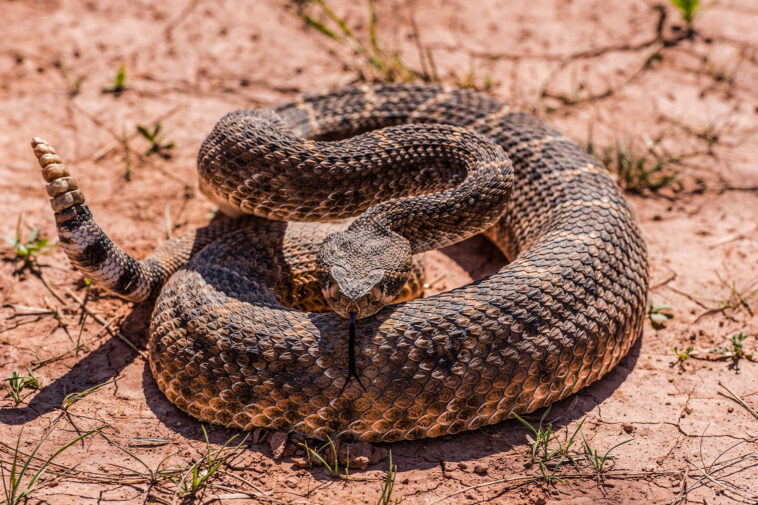
Experts are warning “rattlesnake season” is officially in full swing. From April through September, these cold-blooded creatures are waking up from their winter slumber and they aren’t looking for friends.
Though generally shy, a rattlesnake bite is a high-stakes emergency that can be extremely painful, lead to permanent injury or in rare cases, death.
Here are the seven SoCal locations where you’re most likely to encounter the terrifying rattle.
Malibu Creek State Park
Famous as the former filming site for MASH*, this scenic park in the Santa Monica Mountains is packed with hikers, bikers, and climbers. But it’s also prime habitat for the Southern Pacific rattlesnake—along with ticks and poison oak.

Joshua Tree National Park
A bucket-list destination for campers and stargazers, Joshua Tree is home to seven species of rattlesnakes. They blend seamlessly into the rocky desert terrain, making them easy to miss. While they are most active at dusk, experts warn that visitors should always stay on designated marked paths to minimize the chance of an encounter.
Sign up for the California Morning Report newsletter
California’s top news, sports and entertainment delivered to your inbox every day.
Thanks for signing up!
Mission Trails Regional Park
Just minutes from downtown San Diego, this sprawling 8,000-acre park is a hiker’s dream, with more than 60. miles of trails and sweeping summit views from Cowles Mountain. But it’s also a known rattlesnake hangout. Snakes are often spotted sunning themselves on rocky paths, especially from April through September.
Anza-Borrego Desert State Park
About two hours east of San Diego, California’s largest state park spans a jaw-dropping 600,000 acres, and a lot of it remains wild—including rattlesnake territory. Whether you’re chasing wildflowers or exploring the Borrego Badlands, you’re firmly in snake country here. “Wear hiking boots, thick socks, and long pants,” park officials advised on Instagram. “Hike on trails. Avoid tall grass, weeds, and don’t move around rocks.”

Death Valley National Park
Already famous for its lethal heat, Death Valley has another hidden threat: venomous snakes. The Mojave sidewinder, a uniquely moving rattler that glides across sand, calls this brutal desert home. “Keep an eye out while wandering in dunes areas–if you see some J-shaped tracks ending in a small depression in the sand, you might be looking at a cratering sidewinder,” experts warn.
San Bernardino National Forest
With over 800,000 acres of forest, this mountain escape offers everything from alpine hikes to rugged canyon trails—including Rattlesnake Canyon. Despite its name, sightings aren’t constant, but experts say snakes can be found just about anywhere in the forest. While several species of snakes live in the area, only rattlesnakes pose a risk.
Chino Hills State Park
If you thought rolling greens would provide a bit of safety from the reptiles, think again. This inland park, spanning Orange, Riverside, and San Bernardino counties, is home to both Southern Pacific and red diamond rattlesnakes. Park officials say that the highly venomous “Southern Pacific Rattlesnake is the one you will most likely run into in the park.“
Download The California Post App, follow us on social, and subscribe to our newsletters
California Post News: Facebook, Instagram, TikTok, X, YouTube, WhatsApp, LinkedIn
California Post Sports Facebook, Instagram, TikTok, YouTube, X
California Post Opinion
California Post Newsletters: Sign up here!
California Post App: Download here!
Home delivery: Sign up here!
Page Six Hollywood: Sign up here!