
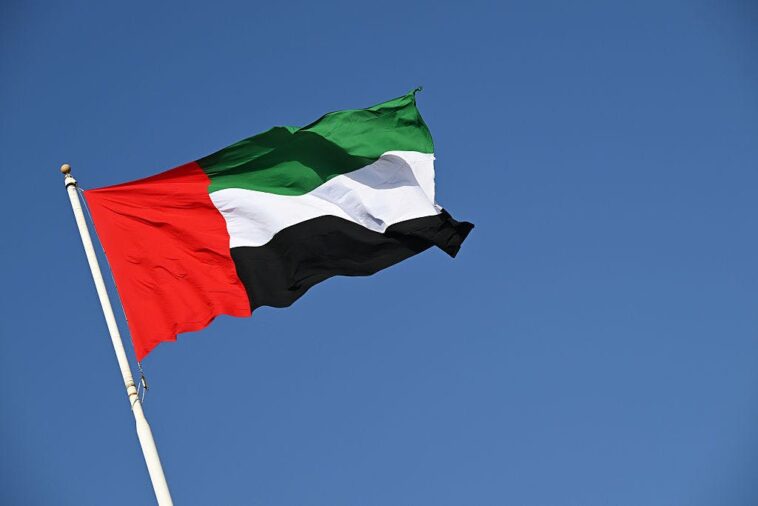
OPEC is facing one of its most significant disruptions in decades after the United Arab Emirates announced it will withdraw from the oil cartel effective May 1, ending more than 50 years of membership and signaling a major shift in global energy dynamics.
The move frees the UAE from OPEC and OPEC+ production quotas, allowing it to increase oil output independently. As one of the group’s top producers, the decision could weaken OPEC’s ability to coordinate supply and maintain price stability — raising the prospect of lower oil prices if additional barrels hit the market.
UAE Energy Minister Suhail Mohamed Al Mazrouei framed the decision as a long-term strategic pivot. He said the country needs to be “unconstrained” and able to act quickly in a fast-changing global economy, arguing that collective decision-making within OPEC can limit agility. The UAE has invested heavily in expanding its production capacity to roughly 5 million barrels per day, but quotas have prevented it from fully capitalizing on that capability.
The timing of the decision is closely tied to rising geopolitical tensions in the region, particularly involving Iran and disruptions to global energy flows. The Strait of Hormuz — a critical chokepoint for global oil shipments — has faced significant instability, limiting supply and pushing global inventories to concerning levels.
UAE officials have pointed to escalating security threats as a key factor in their decision-making. In a recent interview, UAE Minister of State for International Cooperation Reem Al Hashimy revealed that the country has faced more than 2,800 missile and drone attacks in just 40 days, which she attributed to Iran. According to Al Hashimy, over 90% of those strikes targeted civilian infrastructure rather than military assets, underscoring the scale of the threat.
She argued that Iran’s actions are aimed at undermining the UAE’s model of economic openness and prosperity. “We are everything that they’re not,” she said, contrasting the UAE’s development strategy with what she described as Iran’s focus on military programs, including missiles, drones, and nuclear enrichment. She also warned that Iran has effectively “weaponized” the Strait of Hormuz, using its position to disrupt global trade and drive up fuel and food prices worldwide.
These security concerns intersect directly with the UAE’s energy strategy. Unlike many regional producers, the UAE has built infrastructure to bypass the Strait of Hormuz entirely through the Habshan–Fujairah pipeline, allowing it to export oil directly to the Indian Ocean. This capability positions the UAE to act as a stable supplier even during regional crises — an advantage that becomes more valuable as tensions escalate.
Analysts say the UAE’s departure could increase global oil supply by as much as 1 to 2 million barrels per day over time, as the country ramps up production toward its full capacity. That additional supply could put downward pressure on prices, particularly if other OPEC members maintain production limits.
The broader implications for OPEC are significant. The cartel, which accounts for roughly 40% of global oil production, has historically exerted influence by coordinating output among its members. The exit of a major producer like the UAE raises questions about the group’s cohesion and long-term effectiveness, with some analysts suggesting it could weaken OPEC’s ability to act as a unified force.
Geopolitics also plays a role. The UAE’s decision comes amid reported tensions with Saudi Arabia, a leading voice within OPEC, as well as shifting alliances with major energy-consuming nations. Increased UAE production could align with calls from figures like President Trump, who has long criticized OPEC for restricting supply and driving up prices.
Despite these factors, UAE officials insist the move is rooted in economic policy rather than politics. Al Mazroui described it as a “sovereign national decision” aimed at ensuring the country can meet global energy demand while supporting its own economic growth.
Still, the decision underscores a broader transformation in the global energy landscape. As geopolitical risks rise and traditional alliances shift, the UAE is betting that independence — and the ability to move quickly in a volatile market — will offer a strategic advantage.
“For all my life since I was a teenager, OPEC was what was driving the oil price,” economist Stephen Moore said. “And they could, by turning the spigots on and off, they could throw the American economy into a terrible recession, as they did in the 70s and some times earlier this century. And the fact that one of the largest producers in the world is no longer part of that? That really makes OPEC now a toothless tiger.”