
See more of our coverage in your search results.

A rabid raccoon found in a Southern California backyard led health officials in Los Angeles County to issue a warning about the dangers of exposure to humans and pets.
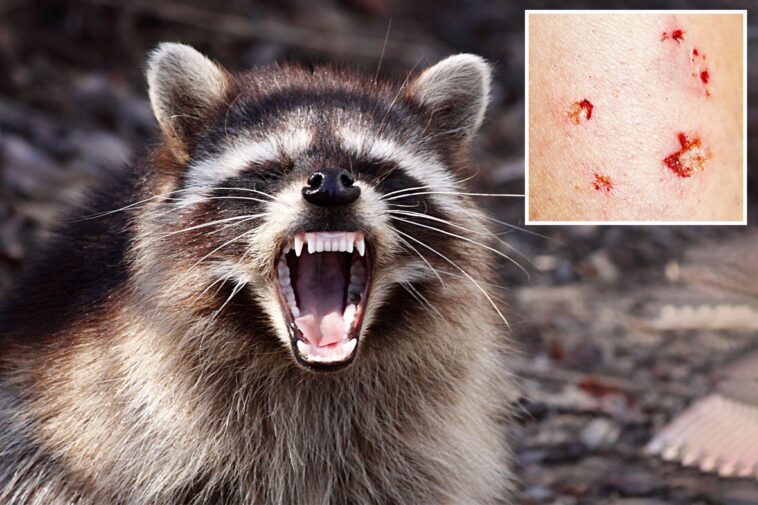
Officials said they are investigating the first case in more than 50 years of a rabies-positive raccoon after the animal had entered the backyard of a Westlake Village home, the Los Angeles County Department of Public Health said Monday.
The animal didn’t appear well but wasn’t aggressive toward people. A dog exposed to the raccoon, which had updated vaccines, was quarantined and reported to be doing fine.
Sign up for the California Morning Report newsletter
The biggest news, opinion and culture shaping California right now.
Thanks for signing up!

Officials said four people at a nearby worksite who may have been exposed to the rabid animal were receiving “recommended follow-up for rabies post-exposure prophylaxis.”
Rabies is a viral disease that can affect humans and pets. It attacks the brain and nervous system and is 100% fatal once symptoms set in.

The variant of rabies that affected the raccoon is unknown as the investigation continues.
Officials said it is likely the animal was infected by a bat, but the department is awaiting subsequent variant testing that can take up to several weeks.
“The detection of rabies in a raccoon is an important reminder to never touch, handle or feed any wild animals, even when they appear healthy,” said Los Angeles County Health Officer Muntu Davis.

“Always keep a safe distance from wildlife and contact your local animal control if you encounter an animal that appears sick, injured or is behaving unusually.”
The last reported case of a rabid raccoon in the county dates back in 1973.
Historically, rabies exposure in LA county has been associated with rabid bats, with officials seeing an increased number of positive cases in recent years.

A record number of rabid bat cases — 70 — has been recorded in the county in 2026, with “peak season” yet to get under way.
“Rabid bats have been found in every part of Los Angeles County, from suburban areas such as the San Fernando Valley to urban areas like downtown Los Angeles, in office buildings, parks, schools, businesses and residential backyards,” an announcement from the county stated.
“One-third of bat encounters occur indoors, where exposure risk is higher.”

Authorities urged the public to never touch a bat or any wild animal and to vaccinate their pets.
Rabies is spread through the saliva of infected animals, most commonly through bites, though exposure can also occur if saliva enters the eyes, mouth or an open wound.
Once symptoms begin — including fever, confusion, agitation and difficulty swallowing — the disease is almost always fatal.

The agency said anyone bitten by a wild animal should seek medical care immediately and report it to a public health agency. Rabies is preventable with post-exposure treatment.
Pets bitten by any wild animal should get veterinary care immediately and also report it to animal control.
Download The California Post App, follow us on social, and subscribe to our newsletters
California Post News: Facebook, Instagram, TikTok, X, YouTube, WhatsApp, LinkedIn
California Post Sports Facebook, Instagram, TikTok, YouTube, X
California Post Opinion
California Post Newsletters: Sign up here!
California Post App: Download here!
Home delivery: Sign up here!
Page Six Hollywood: Sign up here!