
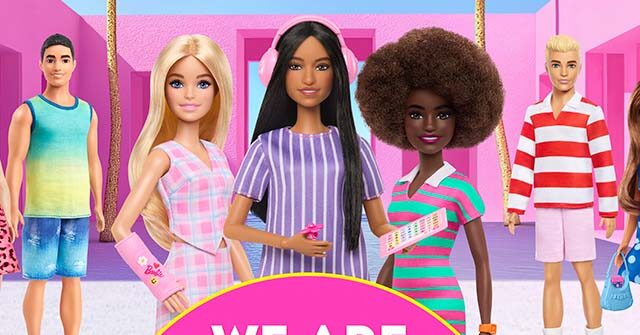
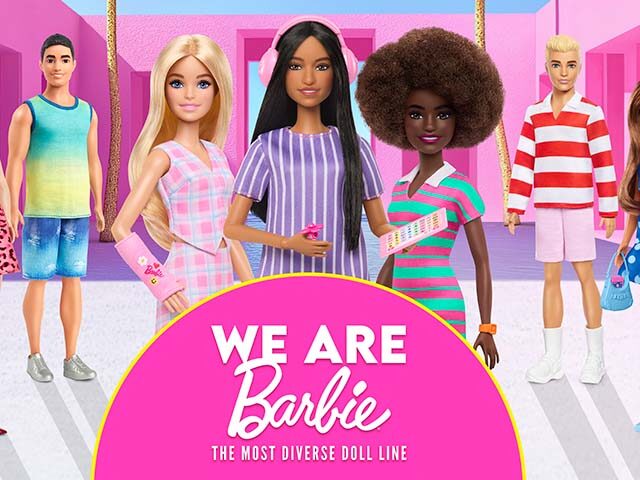
Mattel has introduced an autistic Barbie doll to its Fashionistas line, developed in collaboration with the Autistic Self Advocacy Network (ASAN), to reflect common autistic experiences and invite more children to see themselves represented through inclusive play.
This January, Mattel officially launched its first Barbie doll designed to represent autistic individuals, marking the latest addition to the company’s Fashionistas collection, which since 2019 has included dolls with various disabilities, body types, skin tones, and hairstyles. The new autistic Barbie was developed in consultation with ASAN, a nonprofit organization run by and for autistic people, and was created over an 18-month period.
The doll includes features designed to reflect common autistic experiences, such as articulation that allows for stimming gestures, a gaze angled away from direct eye contact, and accessories including a pink fidget spinner, noise-canceling headphones, and a tablet featuring augmentative communication symbols. The doll’s clothing was also chosen to accommodate sensory sensitivities, featuring a loose-fitting purple dress and flat-soled shoes for comfort and ease of movement.
This move continues a trend within Mattel to diversify its Barbie lineup. In 2022, the toy company debuted dolls with hearing aids, a prosthetic leg, and a Ken doll with vitiligo. That same approach led to the release of a Barbie with Down syndrome in 2023, made in partnership with the National Down Syndrome Society.
WATCH — RFK Jr. Holds News Conference on Child Healthcare Policy:
According to Mattel, “playing with dolls activates parts of children’s brains involved in empathy and social processing skills.” The company cited in their press release a multi-year study with researchers at Cardiff University, which “has continued to build on these findings, suggesting that doll play could help develop social skills for all children, including those who display neurodivergent traits commonly associated with autism.” Mattel stated that the autistic Barbie doll, along with others in the Fashionistas collection, “can help children better understand the world around them by encouraging doll play outside of a child’s own lived experience.”
The unveiling of the autistic Barbie doll comes at a time of heightened national debate over the causes of autism. President Donald Trump and officials in his administration — including Health and Human Services Secretary Robert F. Kennedy Jr. — have amplified concerns about prenatal acetaminophen exposure. In September 2025, the administration recommended that pregnant women limit Tylenol use due to studies indicating a potential link between acetaminophen and increased risk of autism and ADHD in children. The Trump administration described the rise in autism as “one of the most alarming public health developments in history.”
RELATED VIDEO — RFK Defends Parents’ Informed Consent on Vaccines:
In response, some pregnant liberal women posted videos of themselves taking Tylenol while pregnant, describing it as an act of defiance and calling the administration’s recommendation an “attack on women.” During a White House press conference in September, President Trump expressed disappointment that the establishment media were not more open to exploring the causes of autism, stating, “I wish they would.”
The recommendation was followed by a lawsuit filed in October 2025 by the state of Texas against Johnson & Johnson. The lawsuit asserts that the company failed to properly disclose the risks associated with prenatal acetaminophen exposure and cites 26 epidemiological studies showing positive associations with autism spectrum disorder (ASD) and attention-deficit hyperactivity disorder (ADHD).
Mattel has announced it will donate more than 1,000 autistic Barbie dolls to leading children’s hospitals specializing in care for autistic youth. The doll is now available for purchase on Mattel’s website and at major retailers.