
Welcome to MT-AI.
Transit officials are probing proposals from tech companies on how best to use artificial intelligence to patrol subway cars and buses in real-time through thousands of video feeds, documents reveal.
An undisclosed number of responses were submitted to the state transit authority by its Dec. 30 deadline, The City first reported.


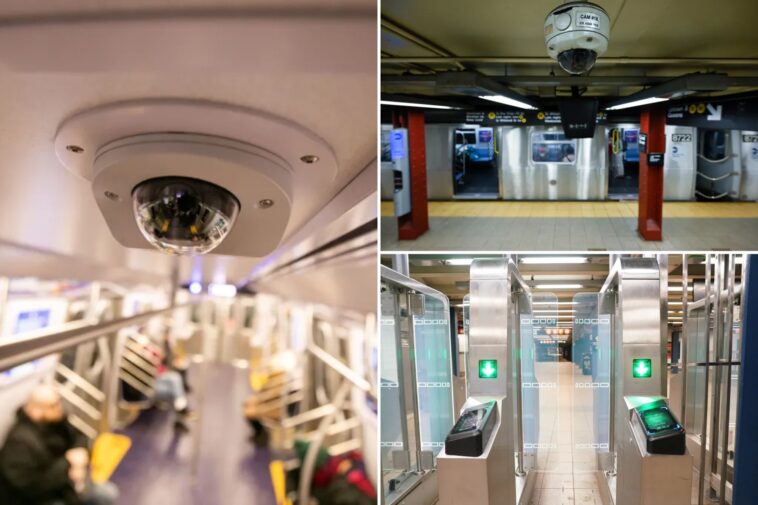
The agency said it is seeking ideas on how to use AI through real-time camera feeds to identify weapons, recognize unattended items and anticipate “unusual or unsafe” behaviors like high-density surges and stampede risks, it said in a Dec. 5 request for info.
“With more than 15,000 cameras deployed across approximately 472 subway stations, current monitoring practices remain manual, reactive, and resource intensive,” the MTA wrote in its pitch.
The goal is to evolve the transit infrastructure into a “proactive, intelligence-driven ecosystem,” the agency added.
The responses could lead to a request for proposal, the MTA said.
The Transit Tech Lab, a public-private initiative between the MTA and the Partnership Fund for New York City, similarly issued a request for “tech-driven approaches to support infrastructure management” on Thursday, including tools to “detect and analyze safety, compliance, and behavioral risks.”
The tech push comes as the MTA began testing out new fare gates with AI sensors that can detect fare evasion.

But the move isn’t without its critics. Major watchdog groups have raised concerns about flawed artificial intelligence tools resulting in wrongful arrests, data leaks and privacy issues.
Last year, civil rights groups demanded an investigation into the NYPD’s use of facial recognition tech after a reportedly false match led to a bad arrest.
The Surveillance Technology Oversight Project (STOP), a major critic, alleges the tech “disproportionately misidentifies people of color, women, the young, and the elderly,” according to its website.

Meanwhile, private companies like Macy’s and Fairway Market are already using AI to bolster security.
Wegman’s made headlines this week after signs at its Brooklyn Navy Yard store revealed it was storing shoppers’ facial scans.
A failed City Council bill, introduced in 2023 by member Shahana Hanif, proposed banning the practice of biometric data collection altogether.