
Utility costs are squeezing New Yorkers after officials decided to shut down a nuclear plant, and criticism over the move is piling up.
Indian Point Energy Center had supplied 25 percent of electricity to people in New York City and Westchester County, but the plant was closed in 2021 after environmental activists opposed it, the New York Post reported Tuesday.
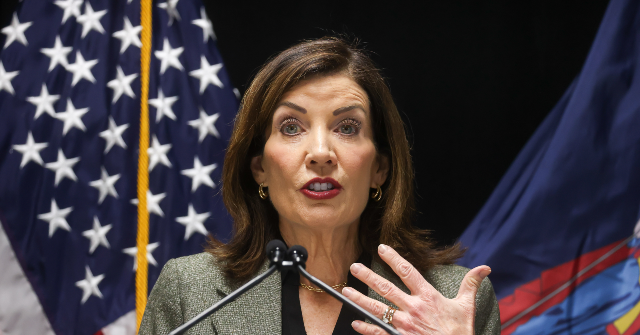
Gov. Kathy Hochul (D) was former Gov. Andrew Cuomo’s lieutenant governor when the plant was shut down on his watch.
Now, critics are saying it was the wrong move, and former Republican Westchester County Executive Rob Astorino, who filed a lawsuit to keep the facility running, blamed Democrat leadership.
“It was the safest nuclear power plant in the country. Closing it was ridiculous and insane — and now we’re paying the price,” he explained, adding its clean energy was replaced with natural gas which increases carbon emissions the Climate Change and Community Protection Act of 2019 aims to stop.
Astorino said, “The Democrats in charge — from Cuomo to Hochul to legislators — made this mess.”
In 2023, a study found New York’s change to green energy was going to increase costs for residents, per Breitbart News.
Meanwhile, the Daily News reported Tuesday that “Implementing the state’s aggressive climate laws could cost the average Upstate household more than $4,100 annually, according to the New York State Energy Research and Development Authority.”
“In a memo detailing the projected costs associated with the Climate Leadership and Community Protection Act, the authority said Upstate New Yorkers who own two cars and heat their homes with fuel oil will be the hardest hit under the act, which sets carbon emissions targets to be reached by 2030,” the article said.
New York officials in June moved to build the first major U.S. nuclear facility in over a decade, the news coming after Trump signed executive orders regarding nuclear energy, Breitbart News reported.
“The New York project offers an early test of Trump’s sweeping executive orders, which call for nothing short of a nuclear revival. From slashing red tape on reactor approvals to fueling AI data centers and military bases with next-generation power, the orders lay out a blueprint to triple U.S. nuclear capacity by 2050. They also aim to jumpstart fuel recycling, boost uranium production at home, and train a new generation of nuclear workers,” the article read.
“While nuclear energy has long been a target of environmentalist scorn, painted as dangerous and outdated, recent years have forced a reckoning. Blackouts, surging electricity prices, and the limitations of wind and solar energy have prompted a growing number of leaders to reevaluate their energy stances,” it stated.