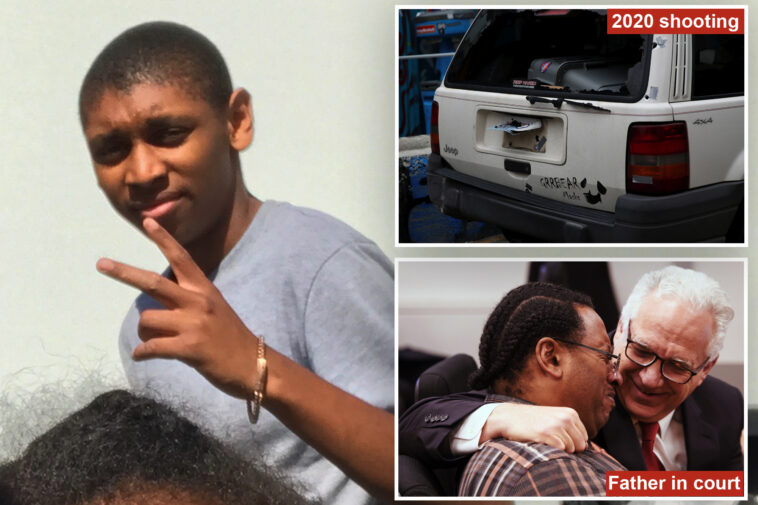
The city of Seattle has been ordered to dole out $30 million to the dad of a teen who died from a gunshot wound inside a Black Lives Matter occupation zone in 2020 after first responders refused to enter the protest area.
The Emerald City was found liable by a jury Thursday of botching its emergency response to the still-unsolved shooting of Antonio Mays Jr., 16, on June 29 inside the Capitol Hill Organized Protest (CHOP) zone — a movement that was established in response to George Floyd’s death at the hands of cops in Minneapolis, Minn., two weeks earlier.
The verdict came after an unusually long 12 days of deliberations by the 12-person jury — which only needed 10 to agree rather than a unanimous decision. Civil cases only require jurors to find claims were proven by the “preponderance of the evidence” — or over 50% probability — unlike a criminal case which requires jurors to find guilt “beyond a reasonable doubt.”

The teen’s dad, Antonio Mays Sr., was awarded $26 million and the son’s estate was awarded another $4 million after the father sued in 2023, claiming the city allowed “lawlessness to reign” there.
At trial, Mays’ lawyers told jurors if medics had gotten to Mays sooner he may have survived. But because EMS refused to come into the protest zone, Mays wasn’t reached until 24 minutes after he was shot.
Witnesses attempted to bring Mays by private car to get help, but when they tried to flag down an ambulance, it drove away, plaintiff lawyers claimed at trial.
The witnesses were only able to finally meet with medics in a parking lot nearly a half hour later, Mays’ attorneys claimed.

Mays’ team claimed the teenager may have had a chance if his airway had been opened early on.
But city lawyers argued, the boy was shot in the head and wouldn’t likely have survived either way, as they maintained Seattle wasn’t to blame for his death.

Mays was shot in a stolen white Jeep alongside a 14-year-old — who was also shot but survived the ordeal. Armed protesters allegedly fired the shots but no criminal charges were ever brought against anyone.
The teen left a note for his dad at their Southern California home telling the father he was joining the BLM movement to make him proud but he didn’t say where he was going. Mays Sr. filed a missing person report that day — 10 days before his son died two states away.

After three weeks, the zone was finally retaken by city officials in the wake of the Mays shooting and another one.
The judge overseeing the trial blocked the city from bringing in evidence suggesting that Mays had stolen the car, finding there wasn’t evidence that the killing was connected to any alleged theft.
Start your day with all you need to know
Morning Report delivers the latest news, videos, photos and more.
Thanks for signing up!
Following the verdict, the family is now fighting it’s next legal battle, seeking to get body camera footage from cops released
“This verdict is historic, the jury delivered accountability,” Mays family lawyer Evan Oshan told The Post Monday. “Now the family is simply asking for transparency — let the public see the 116 body camera videos. That’s how we honor Antonio’s memory and help the community heal.”
The city said Mays’ death was a tragedy. It didn’t say whether it would appeal but said it was considering its legal options.
With Post wires