
© Novikov Aleksey / Shutterstock
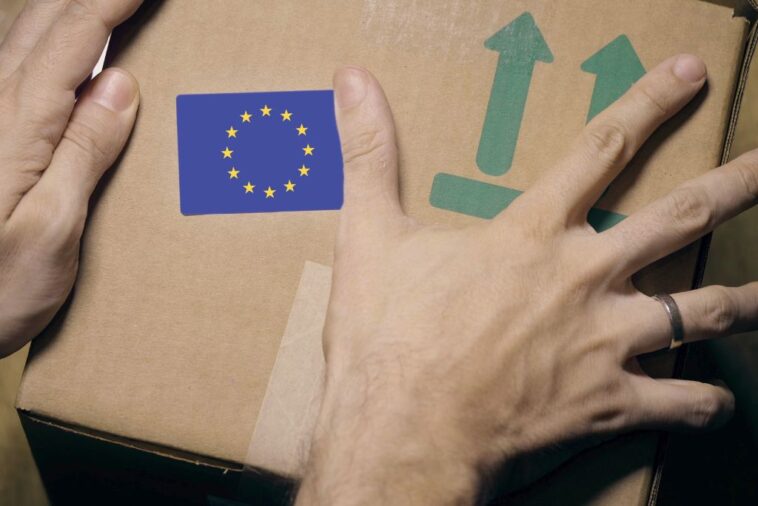
The European Union has decided to impose a flat fee of 3 euros on small packages sent within the bloc, a measure that will come into force next year and will directly affect millions of consumers and small businesses. Under the pretext of strengthening tax collection and ensuring resources for Member States, Brussels is taking yet another step in its policy of growing control over trade and the daily lives of citizens.
According to European lawmakers, the measure aims to curb the boom in low-value online commerce, especially frequent purchases of inexpensive products. However, in practice, the fee punishes everyday consumption, makes basic goods more expensive, and reinforces the European bureaucratic apparatus, which needs to justify its constant expansion with new sources of revenue.
The fee will apply to shipments whose value does not exceed a threshold set by each country, affecting both domestic and imported products. Brussels insists that the goal is to ensure “tax fairness,” but the outcome is clear: every package will be registered, monitored, and taxed, expanding state oversight and the administrative burden on citizens and businesses.
EU countries agree to tax cheap packages from July
Cheap packages entering the EU will be charged a tax of €3 per item from next July, the bloc’s 27 finance ministers agreed on Friday. pic.twitter.com/bTRKutpbKI
— Pirat_Nation 🔴 (@Pirat_Nation) December 14, 2025
The impact will be immediate on European households. Families accustomed to buying affordable products will have to absorb an additional cost for each shipment, forcing them to rethink their budgets in a context of inflation, high taxes, and declining purchasing power. This measure does not protect consumers: it penalizes them.
Small and medium-sized enterprises are also harmed. For many of them, e-commerce is a lifeline in the face of tax pressure and competition from large platforms. The new fee forces them to raise prices or absorb losses, while the EU leaves its costly institutional and administrative structure untouched.
From Brussels, officials claim the objective is not to hinder digital commerce, but to sustain public systems. However, the reality is that every new tax serves to feed an oversized bureaucracy, disconnected from the real needs of citizens and increasingly intrusive.
The EU is being flooded with small parcels(under €150)which currently enter duty-free.
The Council has agreed to introduce a €3 customs duty on these items, as of 1 July 2026. This will help:
-ensure fair competition
-protect consumers
-tackle fraud
➡️ https://t.co/UUByQx6Ghs pic.twitter.com/87jQjzEy8b— EU Council (@EUCouncil) December 12, 2025
Economic analysts warn that the measure could slow the growth of online commerce and reduce economic activity. Even so, European lawmakers defend the initiative as a way to “maintain control” over the economy. In other words, to collect more and monitor more, even if that means less economic freedom.
Implementing the fee will require cooperation between customs authorities and logistics companies, with systems to register and track every shipment. This not only increases operational costs, but also normalizes permanent surveillance, turning every purchase into an act overseen by the state apparatus.
READ MORE:
About The Author

Rafa Gómez-Santos Martín
Rafael Santos is a Portuguese writer and political analyst dedicated to educating Hispanics on traditional values and the importance of protecting children and families. With years of experience in media and public discourse, he has been a strong advocate for cultural preservation and moral principles in an ever-changing world. Passionate about culture, sports, and current affairs, Rafael brings insightful analysis to political and social debates, striving to empower the Hispanic community with knowledge and a deeper understanding of the issues that shape their lives.