
We now know 42 of the 48 teams that will participate in the 2026 FIFA World Cup, which gets underway on June 11, 2026. And even though we won’t know the remaining six teams until the playoffs in March, the draw will take place on Dec. 5 at the Kennedy Center in Washington, D.C.
There are always risks and rewards to betting on any tournament before the draw is released, but the new format of the World Cup makes it more appealing to get in early.
This will be the first time that the World Cup features a field of 48 teams, with 32 of them (the top two in each group, and the eight best third-place finishers) advancing to the knockout stages.
There will still be a “Group of Death,” but the first round of the tournament just won’t carry the same peril for the contenders as it normally does, especially since the expanded field means there will be plenty of minnows in the pond.
While you can expect some movement in the betting market after the draw is released, it won’t be as frenzied as we’ve seen in the past, when teams could have their prices significantly altered, one way or the other, based on the group they land in.
That means that the way the top of the board looks now is how it will likely look after the draw and then in June. Spain is the favorite, England is the bridesmaid, and France, Argentina, Brazil, Portugal, and Germany are right behind them.
It also seems pretty obvious that Norway, led by superstar Erling Haaland, is going to be the most popular dark horse on the board. The Lions are all the way down to 30/1 at some sportsbooks, a ridiculous number for a team that hasn’t been to the World Cup since 1998. Haaland and his supporting cast give the Scandinavians reason for optimism, but having Norway priced ahead of Colombia, Uruguay, and Belgium seems a bit much.
Get the lowdown on the Best USA Sports Betting Sites and Apps
- Check out the best sports betting sites and apps

Another Scandinavian country, Denmark, was everybody’s favorite sleeper for Qatar 2022, and they finished last in their group. That was great news for the bookies.
Denmark’s struggles in the last World Cup served as a good reminder that bettors can apply across any sport. If a “sleeper” seems like it is getting an outsized amount of love from fans, pundits, and the betting market, it’s likely that the time to bet them has passed.
The upshot of that is that while the favorites and trendy sleepers like Norway suck up most of the oxygen, other teams will fly under the radar, which brings us to Japan.
Consistency and identity are key in finding success in international soccer, especially when you don’t have the talent pool of the heavyweights. Because lineups are fluid, and teams don’t get much time to practice, play, and develop chemistry together, it’s crucially important to have your roster in lockstep.
That has been what’s made Japan the dominant force in Asia for the last two World Cup cycles.
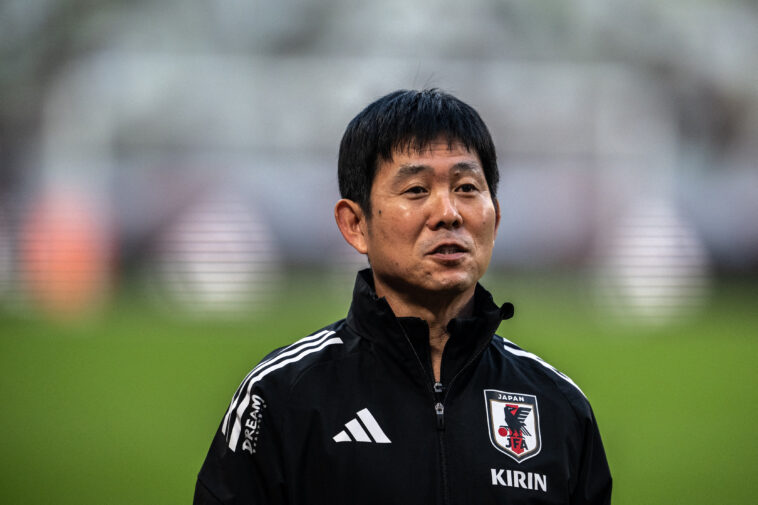
Hajime Moriyasu has been in charge of Japan since 2019, and he’s instilled a singular identity into the team. Players have come and gone, but the philosophy remains the same. Japan is going to put its foot on the gas, and it won’t stop until the final whistle
The high-tempo, frenetic style that Samurai Blue plays may seem suicidal, but every player on the roster knows his role and what’s expected of him, so it works. Just ask Germany and Spain, which fell victim to it in 2022. Or ask any country in the AFC, which watched Japan post a plus-27 goal difference (30 GF, 3 GA) in qualifying.
Japan is 100/1 (BetRivers) before the draw. This number is only going to go in one direction as the sporting world starts to figure out who the real dark horse in this field should be.
Why Trust New York Post Betting
Michael Leboff is a long-suffering Islanders fan, but a long-profiting sports bettor with 10 years of experience in the gambling industry. He loves using game theory to help punters win bracket pools, find long shots, and learn how to beat the market in mainstream and niche sports.