
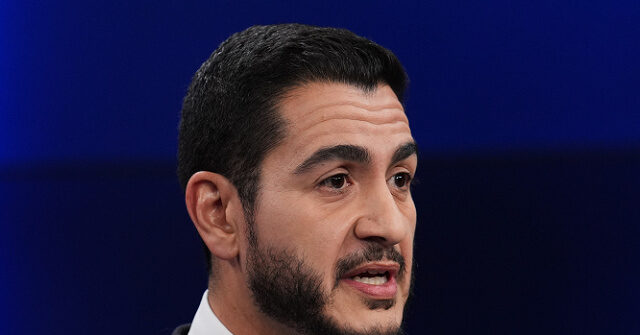
Michigan Democrat Senate nominee Abdul El-Sayed identified himself as “cisgender and straight” in a video circulated on social media Wednesday.
“I’ve never walked in the world outside of being cisgender and straight,” El-Sayed said.
El-Sayed previously described himself in similar terms while discussing transgender issues. In an episode of his America Dissected podcast featuring Dr. Kellan Baker, he called himself a “cis straight man” and discussed how his own experiences differed from those of LGBTQ people.
“I have to put my cards on the table here. I’m a cis straight man. I’ve never had to worry about violence directed at me because of my gender or sexual orientation,” El-Sayed told Baker. “And I’ll admit, at times that’s left me with a bit of a blind spot when it comes to the climate of hate and marginalization LGBTQ+ people so often face. Though I have known my fair share of hate for other reasons.”
El-Sayed also made support for “gender-affirming care” part of his Senate campaign against Republican Mike Rogers. His platform includes the issue under a section addressing healthcare for women and LGBTQ Americans.
His campaign website said healthcare decisions should be made by patients and their doctors, with parents involved when the patient is a minor. It also opposed criminal penalties and funding restrictions aimed at preventing providers from offering that care.
El-Sayed defended that position during an August appearance on Fox News Channel’s Jesse Watters Primetime, where a discussion about procedures for minors turned into an exchange over circumcision.
Asked whether he supported sex changes for minors, El-Sayed argued that the government should leave healthcare decisions to patients, parents, and doctors.
“Are you circumcised?” El-Sayed asked Watters as the host pressed him on the issue.
Watters answered yes but rejected the comparison, saying, “A circumcision is different than castration.”
El-Sayed accused Watters of being selective about when he supported government involvement in medical decisions. He maintained that those decisions should remain between a patient, a parent, and a doctor.