

© Prehistorik / Shutterstock
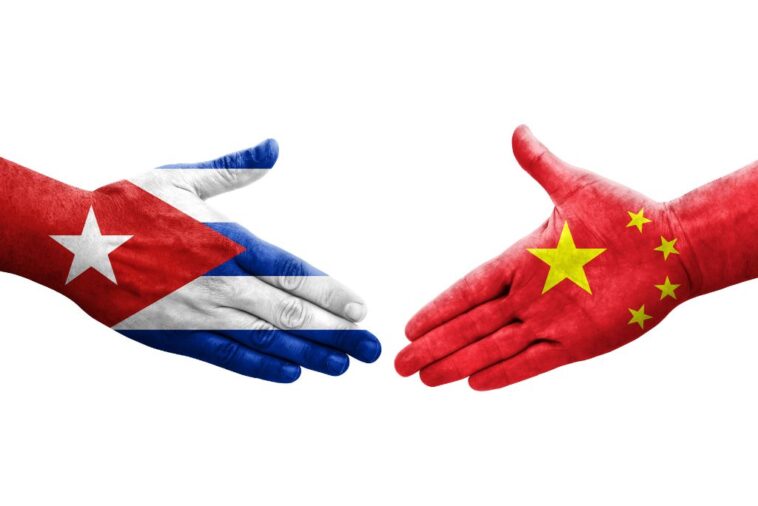
China’s communist regime has once again stepped in to prop up Castroism at one of its most delicate moments. Chinese President Xi Jinping approved a new round of aid to Cuba that includes 80 million dollars earmarked for the acquisition of electrical equipment and to cover other urgent needs of the country, according to an official statement from the Cuban presidency.
This financial support is accompanied by the shipment of 60,000 tons of rice as a donation, presented by Havana as a gesture of solidarity in the face of the deep crisis gripping the island.
The news comes at a time marked by constant blackouts, food shortages, and a rapidly deteriorating quality of life. In neighborhoods of Havana, Holguín, and Camagüey, power outages are part of the daily routine, affecting households, small businesses, hospitals, and schools.
For ordinary citizens, the aid announced from Beijing does not translate into immediate or tangible relief.
WATCH:
The Chinese announcement coincided with a high-profile visit from Moscow. Miguel Díaz-Canel received Russia’s Minister of the Interior, Vladimir Kolokoltsev, in Havana and described the meeting as being of “great significance” in the current geopolitical context.
While the population faces darkness and scarcity, the regime prioritizes alliances with authoritarian powers focused on security, internal control, and police cooperation.
On the streets, the contrast is stark. Mothers cook with whatever they can find, elderly residents climb dark stairwells due to nonfunctioning elevators, and small entrepreneurs are forced to close because they cannot endure entire workdays without electricity.
International aid channeled through an opaque and highly centralized state fails to reach communities with the speed or transparency they need.
Decades of experience only deepen public distrust. Resources sent to the regime rarely make it directly to neighborhoods. Instead, they are absorbed by the power structure and diluted through bureaucracy, inefficiency, and corruption.
The result is visible: collapsed infrastructure, deficient transportation, and families surviving thanks to remittances from abroad.
China is not acting out of altruism. Each shipment strengthens its strategic influence in the Caribbean and consolidates Cuba as a key political ally in Hispanic America. For Beijing, the island is a geopolitical asset. For everyday Cubans, it is yet another promise that goes unfulfilled.
WATCH:
Rice is announced, but pantries remain empty. Electrical equipment is promised, yet blackouts continue to define daily life.
There is no accountability and no clear information about the final destination of the millions received. The lack of verifiable data widens the gap between official rhetoric and the reality experienced in neighborhoods.
Without structural reforms, without economic openness, and without respect for private initiative, any external aid only serves to prolong the life of an exhausted system.
The consequence is clear: greater dependence, less autonomy, and no real way out. Cuban families remain trapped between scarcity, surveillance, and a lack of future, while those in power protect themselves.
This new round of international backing once again exposes a left that legislates from distant offices. “Solidarity” between regimes is celebrated, while the citizen who bears the consequences is ignored.
In Cuba, ideology weighs more than real life. Genuine order is born from respect for the law, responsibility, and the family—not from alliances that perpetuate misery. The left poses for photos, but abandons ordinary citizens when night falls and the blackout returns.
READ MORE:
Stay informed with the most important news and reliable analysis!
Subscribe to our newsletter: https://gatewayhispanic.com/sl-newsletter
About The Author

Rafa Gómez-Santos Martín
Rafael Santos is a Portuguese writer and political analyst dedicated to educating Hispanics on traditional values and the importance of protecting children and families. With years of experience in media and public discourse, he has been a strong advocate for cultural preservation and moral principles in an ever-changing world. Passionate about culture, sports, and current affairs, Rafael brings insightful analysis to political and social debates, striving to empower the Hispanic community with knowledge and a deeper understanding of the issues that shape their lives.