
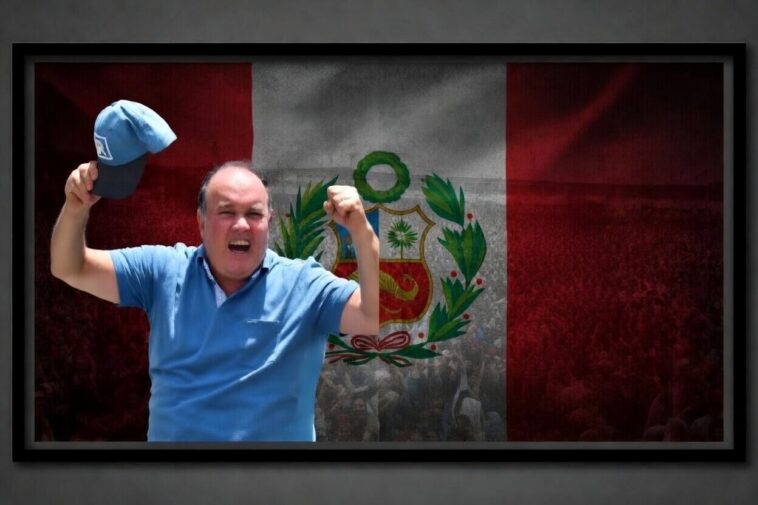
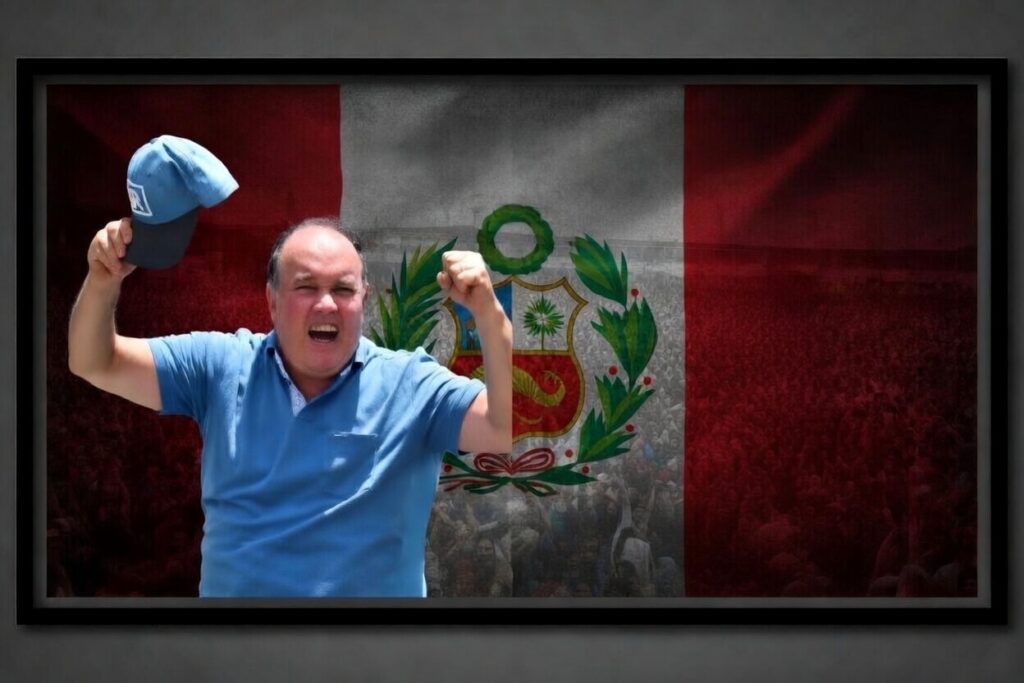
The first figures from the vote count in Peru’s presidential elections are beginning to outline a significant political scenario. With 25% of the votes counted, Rafael López Aliaga leads with 19.44%, while Keiko Fujimori follows with 17.24%. This is not a definitive result, but it is revealing enough to set the tone for the day.
It is not just about percentages. What matters is who occupies those positions. Both candidates belong to the right-wing spectrum, although with different styles, and their presence at the top points to a possible shift in the electorate after years of institutional strain, consecutive political crises, and governments unable to provide stability.
López Aliaga has built his rise on a clear, straightforward message with few nuances: order, reduction of public spending, and defense of traditional values. His more ideological profile has resonated with sectors that believe the country has lost its direction. This is not an improvised phenomenon, but the result of accumulated discontent that now finds an outlet.
Fujimori, on the other hand, operates on a different terrain. Her electoral base is well known and resilient. Fujimorism, with its lights and shadows, remains a political force deeply rooted in Peru. Her candidacy represents a more pragmatic right wing, focused on security, economic stability, and restoring institutional control.
The underlying political fact is clear: in this early stage of the count, the left does not appear in leading positions. This is not accidental. It reflects a context in which a large part of the population associates recent years with uncertainty, clashes between branches of government, and a widespread sense of lack of direction.
However, it is important not to rush to conclusions. With only a quarter of the votes counted, the picture can still change. Peru is a country where rural voting, regional behavior, and late mobilization can significantly alter the results. What today looks like a trend could tomorrow be adjusted or even reversed.
Still, the initial message is clear and not insignificant. A significant part of the electorate seems to be seeking order, predictability, and a certain return to more traditional forms of governance. It is less a purely ideological issue and more a reaction to political fatigue.
On the international stage, what happens in Peru will not go unnoticed. Latin America is going through a period of redefinition, with countries oscillating between ideological projects and more pragmatic demands for effective governance. The final outcome of these elections may reinforce or soften that trend.
Meanwhile, the day remains open. Campaign teams are watching each update cautiously, aware that in politics—and especially in Peru—nothing is decided until the last vote is counted.
What is clear is that when institutions weaken and politics drifts away from real problems, the electorate reacts. And in this case, that reaction seems to be leaning, at least for now, toward options that promise order and firmness.
The left, meanwhile, is paying the price for years of erosion, rhetoric detached from reality, and governance that has failed to generate trust. In politics, vacuums do not last long. And someone always fills them.
Read more:
About The Author

Rafa Gómez-Santos Martín
Rafael Santos is a Portuguese writer and political analyst dedicated to educating Hispanics on traditional values and the importance of protecting children and families. With years of experience in media and public discourse, he has been a strong advocate for cultural preservation and moral principles in an ever-changing world. Passionate about culture, sports, and current affairs, Rafael brings insightful analysis to political and social debates, striving to empower the Hispanic community with knowledge and a deeper understanding of the issues that shape their lives.