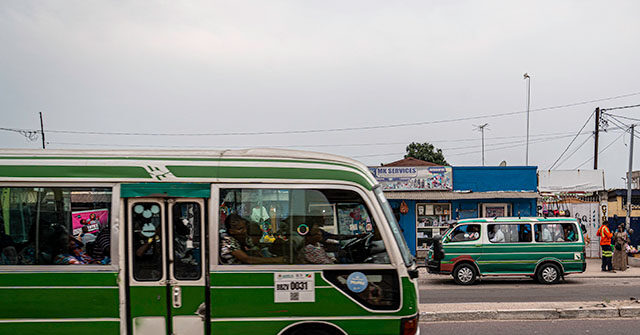
Radio Okapi, a network operating in the Democratic Republic of the Congo (DRC), reported on Wednesday that samples of the deadly Ebola virus are being transported on public vehicles in certain parts of the outbreak region because the poor transportation resources of the area left health officials with few alternatives.
Doctors in the Nia-Nia health zone of Ituri province, the epicenter of the Ebola Bundibugyo outbreak, were well aware of the health and security issues created by using public transportation for medical materials.
“We need a dedicated vehicle to collect samples from health areas and transport them directly to the laboratory,” said the chief doctor for the zone, Joseph Pemanakue.
“This would also allow us to ensure surveillance and monitoring of cases on the ground, and if we had a mobile laboratory in Nia-Nia, the samples could be analyzed immediately,” he said.
Radio Okapi noted those requests would be tall orders to fill, because Nia-Nia experiences frequent incursions from dangerous insurgent and jihadi groups. Some of the zone’s clinics have been closed as doctors were forced to fall back to central facilities that could be protected, and even those facilities are woefully under-equipped.
The difficulty of moving samples through the eastern Congo is a well-known problem that has hindered previous epidemic responses as well. Bloomberg News noted on Thursday that some researchers are still relying on samples collected and stored during earlier epidemics, which makes it difficult to determine if new tests and experimental treatments are working properly.
Sources in the DRC hinted to Bloomberg News that African governments might be reluctant to share the pathogen samples they have managed to collect, because sometimes those samples are used to develop vaccines and treatments overseas, to which “their own populations receive limited or delayed access.”
Even the World Health Organization (W.H.O.) has been unable to reach a consensus on creating a system for sharing pathogens for research, and spreading the benefits of such research, because some of the member states are worried about losing control of the research materials from epidemics on their soil.
The Trump administration on Wednesday asked Congress for over $1.4 billion in additional funding for the Ebola outbreak, to cover supplies, medical personnel, treatment, and the sort of regional logistical network that the eastern DRC currently lacks.
“Congressional aides said any such request could run into problems in Congress, where lawmakers, including some of President Donald Trump’s fellow Republicans, are unhappy that his administration has been refusing to spend money allocated for foreign assistance, including medical care, around the world,” Reuters reported.