Sales of Bottled Water, Tinned Food Soars After UK Government Tells Public to be Crisis Ready
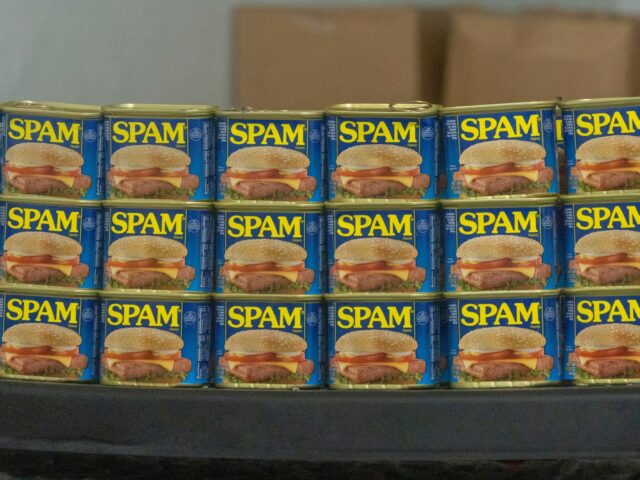
Sales of prepping staples like tinned meat and water has soared in Britain since the government told the public they have to be ready for an unspecified coming crisis.
In the ten days since the British government told the public to “be ready” to live off their own resources “to get you through” events caused by “hostile state actors or terrorists”, cyber attacks, and extreme weather sales of some essentials has increased by nearly half. Told that they should consider keeping three days of food and water stocked at home, Britons have responded by shopping, and as this new trend is established it is reported grocery inflation is starting to pick up again after slowing earlier in the year.
Food industry trade publication Meat Management reports the number of buyers of tinned meat last month was up 43 per cent in the ten days after the government’s media blitz began, the equivalent to a massive 400,000 extra shoppers seeking out canned goods a day. Sales of bottled water also soared 67 per cent.
Other staples like food in jars was up 37 per cent, and old lockdown favourite hand sanitiser sales near-doubled at 83 per cent.
Increased demand may have had an impact on remaining supply and, consequently, commodity prices. Grocery price inflation was said to be up in the month of October to 2.6 per cent from 2.5 the month before, when earlier this year it has been trending downward.
The Guardian newspaper noted that beyond these latest figures, a review of consumer habits last week by Barclays Bank had found that a quarter of Britons were stockpiling or considering stockpiling, and that purchases of batteries and toiletries were up.
Last month, every Briton was advised to stockpile nine litres of water per person in the household, as well as three days of long-life food and other essentials like medication, pet food, nappies for babies, a torch, a radio, and cash. Launching the preparedness campaign, Defence Minister Wes Streeting said:
Terms like ‘hybrid warfare’ and ‘grey zone threats’ do not accurately capture or convey to the general public what I prefer to describe as ‘state-sponsored terrorism.
So in the face of those threats, which are not hypothetical but real, and not somewhere else but increasingly here, we have to step up and take seriously our national resilience as well as our national defence.
It’s really important that we ask households and businesses, are they prepared? Are they ready? Do they know how they would respond in the event of everyday challenges that might manifest themselves?