
The Boston City Council has taken the thanks out of Thanksgiving — again.
Councilors voted last week to declare today, Nov. 26, as a “National Day of Mourning” in the city. It’s the third year in a row the council has used America’s most unifying holiday to scold residents about the past.
The measure sailed through on a voice vote at the Nov. 18 meeting. No councilor put a name on the record against it. Instead, members lined up to sign on. Jamaica Plain Councilor Benjamin Weber has pushed the resolution every year since 2024. Council President Ruthzee Louijeune joined him, and Councilor Julia Mejia was added as a co-sponsor mid-meeting.
Weber lectured colleagues that Bostonians must “face the full truth” of the nation’s history. He suggested families are getting it wrong by sitting down to celebrate.
“Passing this resolution each year is about acknowledging historical injustice,” he said, apparently unbothered that “each year” now describes a tradition of its own.
Mejia went further, taking a swipe at the Thanksgiving story generations of schoolkids grew up with. She claimed it hides the damage colonization did to Native communities.
Most Bostonians probably don’t see their Thanksgiving dinner as a whitewash. For millions of families, the day is about gratitude, faith, and the people around the table. For many immigrants, it’s their first taste of becoming American.
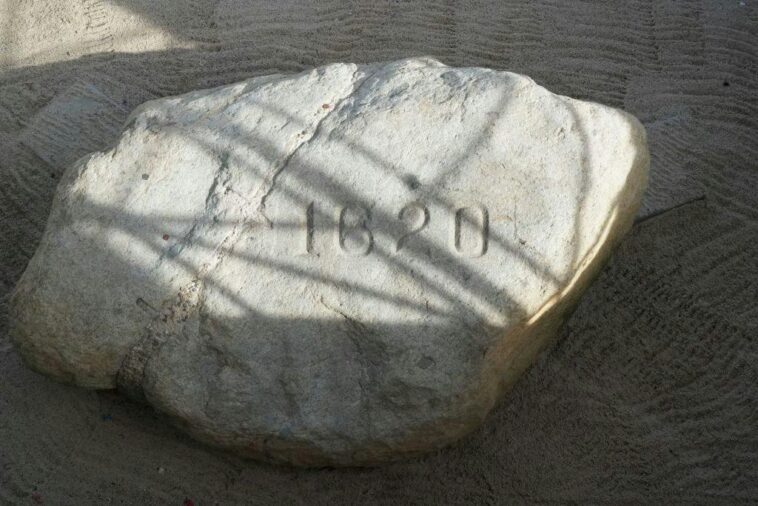
The timing makes it worse. The recognition comes in the year of the nation’s 250th birthday, in the city that calls itself the “Cradle of Liberty,” about 40 miles from Plymouth Rock. Critics say the council chose this moment to cast the holiday as a stain rather than a shared tradition.
The resolution is purely symbolic. It doesn’t close a single city office, cancel a parade, or touch a turkey. That raises a question many taxpayers may be asking. With housing costs, public safety, and city schools all demanding attention, why does the council keep spending time on annual statements about a 400-year-old harvest feast?
The council was right about one thing. The National Day of Mourning is real, and Indigenous activists have held it on Cole’s Hill in Plymouth since 1970. They’re free to mark it however they choose.
But the job of a city government isn’t to tell residents what to feel on a national holiday. Boston’s families can decide that for themselves, preferably over a second helping of stuffing.